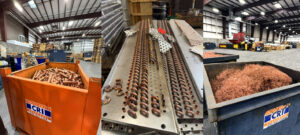
Imagine a material that not only embodies strength and resilience but also aligns perfectly with your commitment to sustainability. Recycled nickel alloys offer just that: a blend of mechanical integrity and eco-friendliness that modern industries increasingly rely on. From bridges standing tall against harsh weather to electronic devices enduring high temperatures, the applications are vast and varied.
Transitioning from theory to practice, it’s evident that their properties remain intact through the recycling process—maintaining high standards for durability and corrosion resistance. This article dives deep into how recycled nickel alloys continue to drive innovation across sectors, offering sustainable alternatives without compromising on performance or dependability.
Recycled nickel alloy finds applications in a wide range of industries, including aerospace, automotive, electronics, and medical equipment. It can be used in manufacturing components such as turbine blades, heat exchangers, and surgical instruments, showcasing its versatility and sustainability benefits.
Recycled Nickel Alloy Properties
Recycled nickel alloys are a fascinating example of sustainable materials in action. When metal is recycled, it doesn’t lose its strength or durability. These alloys retain their excellent mechanical strength, corrosion resistance, and thermal stability properties. They remain just as strong and rust-resistant, and can withstand extreme temperatures after recycling.
Alloys have unique traits due to the different elements within them, making them valuable for specific industrial applications. For instance, a typical recycled nickel alloy contains between 60-75% nickel, with other elements like chromium and iron enhancing its durability and resistance to extreme temperatures.
The ability of recycled nickel alloys to maintain these properties through the recycling process is truly remarkable. It means that even after being melted down and reformed, the alloys retain their unique blend of characteristics that make them suitable for a wide range of high-performance environments.
These properties are crucial for many industrial applications. Let’s take a closer look at some key properties of recycled nickel alloys:
| Properties | Details |
|---|---|
| Mechanical Strength | Ranging from 500 to 1100 MPa, well-suited for structural integrity and reliability |
| Corrosion Resistance | Exceptional resistance, suitable for use in harsh environments |
| Thermal Stability | Conductivity ranges from 11 to 90 W/m·K; coefficient of thermal expansion approximately 13.3 x 10^-6 /°C |
Understanding these properties not only highlights the value of recycled nickel alloys but also underscores their versatility across a wide array of industries. From manufacturing to aerospace engineering, these alloys play a crucial role in ensuring the performance and longevity of various components and products.
Recycled nickel alloys exhibit an impressive array of properties that contribute to their widespread use across diverse industrial sectors. Each characteristic speaks volumes about the practical benefits these alloys offer in demanding applications.
The widespread utility of recycled nickel alloys sets the stage for an exploration into their pivotal role in yet another vital sector—construction industry uses.

Construction Industry Uses
When constructing buildings and bridges, the materials used must be exceptionally sturdy to bear heavy loads. This is where recycled nickel alloy comes into play! Its robustness and durability make it a perfect fit for structural components, roofing, and architectural details.
The recycling process imparts sustainability to stainless steel, an essential nickel alloy, allowing it to be reused in the construction of bridges, buildings, and monuments without compromising its strength and durability. This cyclic use enables stainless steel to significantly contribute to sustainable construction practices.
Take the world-famous Sydney Harbour Bridge in Australia as a prime example. The extensive use of stainless steel in this iconic bridge underscores the material’s ability to withstand varying weather conditions and high traffic volume over many years. It exemplifies the longevity provided by recycled nickel alloys in massive construction projects.
By using recycled nickel alloy, not only are we reducing our reliance on new raw materials but also contributing positively towards sustainable building practices. This approach aligns perfectly with the growing emphasis on eco-friendly construction materials that lower the environmental impact of new constructions.
The adoption of sustainable construction materials like recycled nickel alloy is becoming increasingly prevalent in the industry due to its multifaceted benefits, setting a standard for future construction projects focused on durability and environmental responsibility.
Continuing our exploration of sustainable applications, let’s now turn our attention to how recycled nickel alloy has made significant inroads within the automotive industry.
Automotive Applications
The automotive industry heavily relies on materials that offer high performance and durability, making recycled nickel alloys a valuable asset. These alloys play a crucial role in creating high-performance engines, robust batteries, and efficient exhaust systems for vehicles. In particular, electric vehicles (EVs) benefit significantly from the use of recycled nickel in their battery technology, contributing to sustainability goals by minimizing environmental impact.
The high thermal stability and corrosion resistance of nickel alloys make them ideal for ensuring the efficiency and longevity of vehicle components. In EVs, this is especially important due to the heavy reliance on battery technology for powering the vehicle. The ability of recycled nickel alloys to maintain their structural integrity under varying temperatures and chemical environments ensures that the vehicle’s critical components function optimally for an extended period.
For instance, the Nissan Leaf, an electric car known for its sustainable characteristics, utilizes battery packs incorporating recycled nickel alloys. A notable aspect is that these same battery packs have been successfully repurposed for stationary energy storage after their initial use in vehicles. This demonstrates not only the sustainable benefits of using recycled nickel alloys in electric vehicles but also the extended lifecycle and versatility of these materials.
It’s important to recognize that incorporating recycled nickel alloys in automotive applications not only promotes sustainability but also contributes to reducing the environmental footprint of the automotive manufacturing process. This aligns with the increasing focus on sustainable practices within the automotive industry, driving the adoption of environmentally friendly materials like recycled nickel alloys.
To understand the significance of recycled nickel alloys in automotive applications, consider them as the backbone supporting the shift towards sustainable mobility. Much like a strong foundation provides stability and longevity to a structure, these alloys contribute to propelling the automotive industry towards a greener and more sustainable future.
Now that we’ve witnessed the vital role of recycled nickel alloys in shaping sustainable automotive solutions, let’s pivot our attention to another crucial domain—Consumer Electronics.
Consumer Electronics
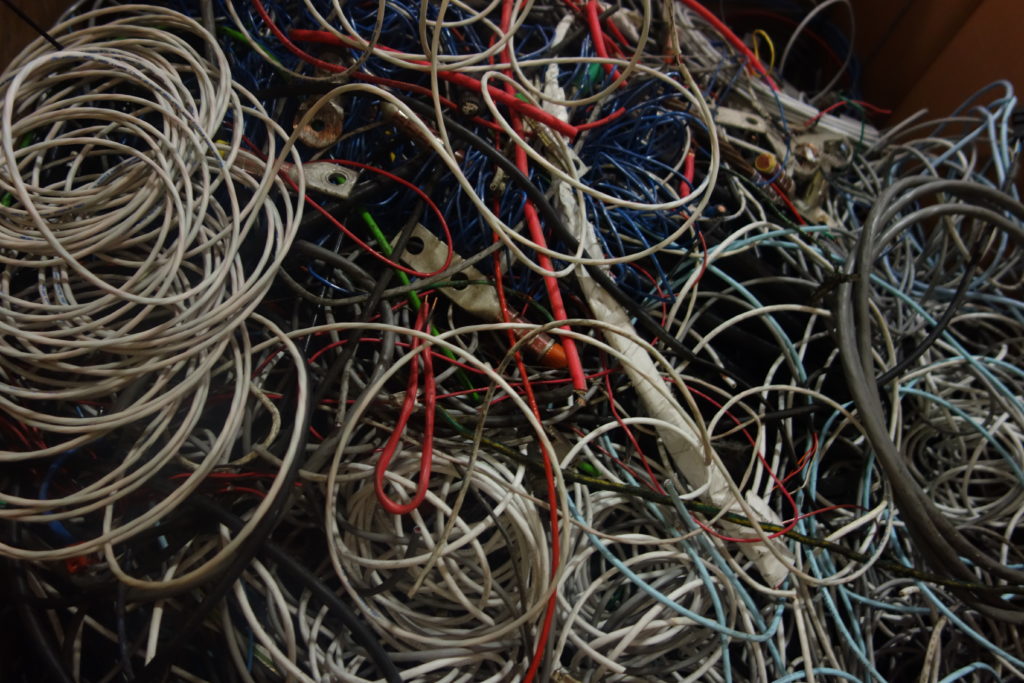
When it comes to our beloved gadgets like smartphones, laptops, and wearables, we depend on them to work efficiently and last a long time. But have you ever thought about what materials are used to make these devices reliable? Well, recycled nickel alloys are an unsung hero in the world of consumer electronics. They are vital for enhancing durability and ensuring efficient conductivity in batteries and connectors—key components that keep our devices running smoothly.
Let’s take a closer look at how recycled nickel alloys specifically contribute to the sustainability of these popular gadgets. One major area where these alloys shine is battery technology. Nickel-metal hydride (NiMH) batteries, commonly found in older electronic devices, contain significant amounts of nickel. As these devices reach the end of their lifecycle, recycling these NiMH batteries becomes a valuable source to recover high-quality nickel for the production of new, sustainable batteries.
Consider this – when manufacturers utilize recycled nickel in lieu of mining for new resources, they lessen the environmental impact of gadget production. The process not only reduces waste but also conserves energy and minimizes their carbon footprint.
Furthermore, beyond just batteries, wearable devices and connectors also heavily rely on the conductive nature and durability of nickel alloys. Whether it’s helping power the smartwatches that track our fitness goals or enabling the high-speed data transfers between our various devices, nickel alloys provide a robust and efficient solution to keep up with our tech-savvy lives.
It’s clear that recycled nickel alloys are more than just a component in our gadgets; they are the linchpin to creating sustainable and long-lasting consumer electronics while lowering the environmental impact of manufacturing processes.
Providing more insights into how sustainable materials can positively impact our environment, let’s now shift our focus to explore the broader environmental benefits of recycled resources.

Environmental Benefits
When it comes to sustainable manufacturing, utilizing recycled nickel alloys has a profoundly positive impact. This practice significantly reduces the need for mining new nickel, resulting in lower CO2 emissions, reduced energy consumption, and minimized overall environmental degradation.
Mining for raw materials, such as nickel, often entails substantial energy use and environmental impact. By recycling nickel, not only is energy consumption decreased, but the associated greenhouse gas emissions are also substantially lowered. Studies have shown that recycling nickel can save up to 90% of the energy that would typically be required to mine and process new nickel. This translates to a significant reduction in carbon footprint over the entire life cycle of nickel products.
Furthermore, the incorporation of recycled nickel alloys into manufacturing processes aligns with circular economy principles. The concept supports the idea of continuous reuse and regeneration of materials, thereby minimizing waste generation and enhancing resource efficiency. This means that by reusing materials instead of disposing of them, we actively contribute to reducing our environmental impact and conserving natural resources.
Utilizing recycled nickel alloys uplifts the sustainability profile of various industries by actively contributing to lowering CO2 emissions and conserving natural resources.
For instance, industries such as automotive, aerospace, and electronics benefit from the environmental advantages of using recycled nickel alloy. By incorporating these sustainable materials into their production processes, they directly contribute to reducing overall waste generation and promote eco-efficiency in material use while maximizing economic benefits to society.
Environmental Impact at a Glance
Let’s take a closer look at some key environmental benefits that arise from utilizing recycled nickel alloys:
| Environmental Benefit | Impact |
|---|---|
| Reduction in CO2 Emissions | Substantial decrease in greenhouse gas emissions throughout the life cycle |
| Energy Consumption | Up to 90% reduction in energy consumption compared to primary production |
| Conservation of Natural Resources | Up to 60% reduction in water usage compared to primary production |
| Waste Generation | Up to 80% less waste produced compared to primary production |
| Overall Environmental Footprint | Up to 50% reduction in overall environmental footprint compared to primary production |
By comprehensively examining the environmental implications associated with recycling nickel alloys, it becomes evident that this practice significantly contributes to improving the sustainability profile of various industries while minimizing their ecological footprint.
With a deep understanding of how recycling nickel alloys positively impacts the environment and various industries, let’s now dive into the processing and fabrication techniques essential for harnessing these sustainable materials.
Processing and Fabrication Techniques
Recycled nickel alloys play a crucial role in numerous industries, from aerospace to automotive, owing to their exceptional properties and environmental advantages. The process of creating these alloys begins with melting scrap metal in electric arc furnaces, which provide the necessary conditions for the conversion of raw materials into molten metal. This initial step is essential in ensuring that the resulting alloys meet the required purity levels for their intended applications.
Following the melting process, refining techniques are employed to remove impurities from the molten metal. These methods, such as vacuum induction melting (VIM), are crucial for achieving high-purity levels, ensuring that the resultant alloys meet the stringent quality standards essential for various industrial applications. The purity of the alloys is of utmost importance, contributing to their structural integrity and performance in demanding operating environments.
Once the requisite purity is achieved, the next phase involves forming and shaping the alloys to meet specific industry requirements. Casting, forging, and machining are the primary fabrication techniques utilized to shape these recycled nickel alloys into final products, each process offering unique advantages in producing components with precise mechanical properties.
Casting involves pouring molten metal into a mold to give it a defined shape. Forging requires applying pressure to mold and shape a piece of metal until it forms the desired structure. Machining is akin to using precision tools to carve out intricate details from a solid piece of metal.
For instance, in aerospace applications, these shaping methods are utilized to manufacture critical components such as engine parts and structural elements due to their superior strength and resistance to extreme temperatures. The meticulous crafting of these materials ensures they meet the exacting specifications demanded by the aerospace industry.
By employing advanced processing and fabrication techniques, recycled nickel alloys are transformed from discarded scrap into valuable components that find their way into countless everyday products and high-performance systems. Through this innovative approach, we not only reduce waste but also produce sustainable materials that serve as a cornerstone for a greener and more efficient future across diverse industries.
Embracing recycled nickel alloys not only presents an opportunity to reduce environmental impact but also propel industries towards more sustainable and efficient practices. With continued advancements in processing and fabrication techniques, these recycled materials will continue to serve as a linchpin for diverse industrial applications.